

DR. ROBERT GERRING PALM BEACH GARDENS, FL(561) 531-6716
Schedule a visit
AIRFLOW & COMFORT

Turbinate Reduction.

Allergies and other nasal problems can cause the turbinates to swell and obstruct airflow. Turbinate reduction creates more space inside the nose to improve breathing.

Discuss your options
Dr. Robert Gerring Board-certified ENT specialist
Illustrative nasal care examinationUNDERSTAND YOUR OPTIONS. FIND YOUR NEXT STEP.
A LITTLE UNDERSTANDING GOES A LONG WAY

What are nasal turbinates?

The inside walls of the nose contain three pairs of long, thin bones covered with tissue that can expand. These structures are called nasal turbinates. Allergies or other nasal conditions can cause them to swell and block airflow.

UNDERSTANDING YOUR OPTIONS

How turbinate reduction works

One approach places a thin probe into the nose and uses laser light or radiofrequency energy to shrink turbinate tissue.

Another approach removes excess tissue at the front of the turbinate with an instrument placed between the lining and the bone, making more room for air to pass through.

Turbinate reduction can be performed in a health care provider’s office using local anesthesia. The method depends on the treatment plan.
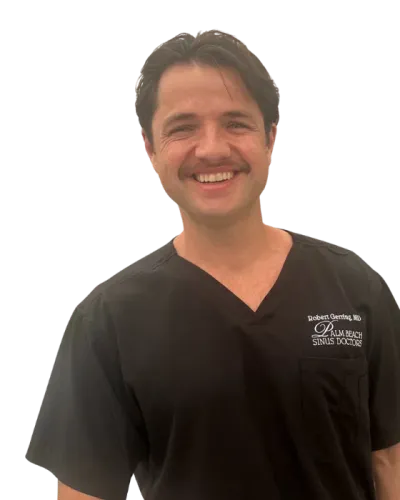
Dr. Robert GerringMeet Dr. Gerring
CARE THAT STARTS WITH YOU

Planning your care

A consultation is the first step in determining whether turbinate reduction is appropriate. Discuss your concerns, goals, the proposed approach, and the risks, benefits, and expected recovery.

Start a conversation
A LITTLE MORE CLARITY

Good questions.
Helpful answers.

Bring your own questions, too. Your consultation is a conversation about you.

(561) 531-6716
Why do turbinates become enlarged?

Allergies and other nasal problems can cause the tissue covering the turbinates to swell and restrict airflow.

How is the tissue reduced?

Approaches include shrinking tissue with laser or radiofrequency energy, or removing excess tissue using an instrument between the lining and bone.

Treatment decisions should follow an individual evaluation. Ask your specialist about benefits, risks, alternatives, and recovery.

Explore all care
THE NEXT STEP IS A CONVERSATION

Your care starts
with being heard.

Discuss your symptoms, understand your options, and plan your next step with Dr. Gerring.

Schedule a consultation (561) 531-6716